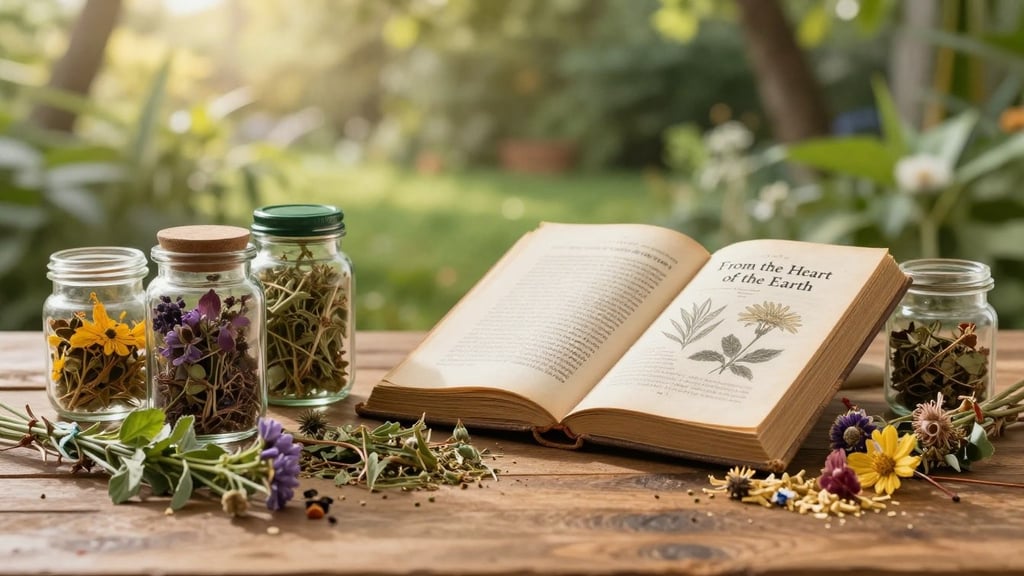
Amazon’s Top Recommended Holistic Medicine Books
These books don’t promise magic cures. Instead, they help you learn, understand your body, and make better daily choices.
1/10/20269 min read


Amazon's Top Recommended Holistic Medicine Books
The world of holistic medicine has gained significant attention in recent years, with many readers turning to alternative health books for guidance on natural wellness practices.
Amazon has become a go-to platform for those seeking wellness literature, offering a vast array of holistic medicine books that cater to diverse interests and needs.
These top recommended books on Amazon provide valuable insights into the world of holistic health, offering readers a wealth of information on natural remedies, mindfulness practices, and alternative therapies.
When choosing your next read, consider what aspects of holistic medicine interest you the most, whether it's nutrition, herbalism, or energy healing.
Key Takeaways
Holistic medicine books offer a natural approach to health and wellness.
Amazon is a rich resource for alternative health books and wellness literature.
Top recommended books on Amazon can guide you in your holistic health journey.
Consider your interests when selecting a holistic medicine book to read next.
These books provide valuable insights into natural remedies and alternative therapies.
Note: This blog contains Amazon affiliate links. I may earn a small commission at no extra cost to you. Thanks for supporting Better Life Tips 💚
"Healing with Whole Foods"
by Paul Pitchford
Paul Pitchford's 'Healing with Whole Foods' is a seminal work that bridges Eastern and Western nutritional practices. This comprehensive guide has become a cornerstone for individuals seeking to understand the therapeutic potential of whole foods in healing and maintaining health.
Overview and Key Concepts
The book provides an in-depth exploration of nutritional principles, drawing from both Eastern and Western traditions. Pitchford discusses the importance of dietary choices in managing health and disease, offering practical advice on how to use food as medicine.
Pros: Comprehensive Nutritional Framework
A holistic approach to nutrition is one of the book's strongest aspects, providing readers with a broad understanding of how different foods can impact health. The nutritional framework is detailed, making it a valuable resource for those looking to make informed dietary choices.
Cons: Dense Information Requiring Commitment
While the book is comprehensive, its dense information can be overwhelming for some readers. It requires a significant commitment to fully absorb and apply the principles outlined in the book.
"The Body Keeps the Score"
by Bessel van der Kolk
Bessel van der Kolk's 'The Body Keeps the Score' is a seminal work that explores the impact of trauma on the human body and mind. This book has been widely acclaimed for its innovative approaches to trauma healing.
Overview of Trauma and Holistic Healing Approaches
The book delves into the complex effects of trauma, offering insights into how it affects individuals and the various methods available for healing. Van der Kolk, a renowned psychiatrist, draws on decades of experience to provide a comprehensive understanding of trauma.
Pros: Revolutionary Understanding of Trauma
The book is praised for its revolutionary understanding of trauma, providing readers with a deeper insight into the subject. Van der Kolk's work challenges traditional views and offers new perspectives on healing.
Cons: Potentially Triggering Content
Some readers may find the content potentially triggering due to the graphic nature of the examples and case studies presented. It's essential for readers to be aware of this before diving into the book.
"Herbal Medicine: From the Heart of the Earth"
by Sharol Tilgner
Sharol Tilgner's 'Herbal Medicine: From the Heart of the Earth' offers a comprehensive guide to medicinal plants and their applications. This book is a valuable resource for both beginners and experienced practitioners in the field of herbal medicine.
Comprehensive Guide to Medicinal Plants
The book provides an in-depth exploration of medicinal plants, covering their properties, uses, and benefits. It serves as a thorough reference for understanding the complexities of herbal medicine.
Pros: Practical Formulation Instructions
One of the key advantages of 'Herbal Medicine: From the Heart of the Earth' is its practical formulation instructions. These guidelines enable readers to create effective herbal preparations for various health needs.
Cons: Advanced Terminology for Beginners
However, the book's use of advanced terminology may pose a challenge for beginners. Readers without a background in herbal medicine or botany may need to consult additional resources to fully understand the content.
"The Encyclopedia of Natural Medicine"
by Michael T. Murray and Joseph Pizzorno
Michael T. Murray and Joseph Pizzorno's collaborative effort, The Encyclopedia of Natural Medicine, sets a new standard for evidence-based natural health resources. This comprehensive guide is designed for both healthcare professionals and individuals seeking a deeper understanding of natural medicine.
Evidence-Based Natural Treatments
The Encyclopedia of Natural Medicine is renowned for its rigorous scientific approach to natural health treatments. The authors provide a thorough examination of various natural therapies, backed by clinical research.
Pros: Scientific Rigor and Clinical Research
Evidence-based approaches are a significant strength of this encyclopedia, making it a reliable resource for those seeking natural health solutions grounded in science.
Cons: Technical Language and Density
One potential drawback is the use of technical language, which may challenge non-experts. However, this also reflects the book's comprehensive and detailed nature.
"You Can Heal Your Life"
by Louise Hay
Louise Hay's 'You Can Heal Your Life' has become a cornerstone in the realm of mind-body healing literature. This influential book explores the deep connection between our mental state and physical health, offering practical advice on how to cultivate a positive and healing mindset.
Mind-Body Healing Philosophy
The book is rooted in the philosophy that our thoughts and emotions play a significant role in our physical well-being. Louise Hay advocates for the power of affirmations and self-love as tools for healing and personal transformation.
Pros: Accessible Self-Healing Techniques
One of the book's strengths is its accessible approach to self-healing techniques, making it easy for readers to incorporate affirmations and positive thinking into their daily lives.
Cons: Limited Scientific Evidence
Some critics argue that the book lacks robust scientific evidence to support its claims, which may be a consideration for readers seeking evidence-based practices.
"The Web That Has No Weaver"
by Ted Kaptchuk
Ted Kaptchuk's "The Web That Has No Weaver" offers a comprehensive exploration of Traditional Chinese Medicine (TCM), providing insights into its cultural and philosophical underpinnings. This book is considered a seminal work in the field of holistic health, offering readers a deep understanding of TCM principles.
Understanding Traditional Chinese Medicine Principles
The book provides an in-depth examination of TCM, covering its diagnostic methods and healing paradigms. Kaptchuk explains the complex concepts of TCM in a way that is accessible to readers without a background in Chinese medicine.
Pros: Cultural Context and Philosophical Depth
Cultural Context: The book offers a rich cultural context, helping readers understand the historical and philosophical roots of TCM.
Philosophical Depth: Kaptchuk's work provides a deep dive into the philosophical underpinnings of TCM, enhancing readers' appreciation of its holistic approach.
Cons: Complex Concepts for Western Readers
While the book is enlightening, some readers may find the complex concepts challenging due to their unfamiliarity with Eastern medical practices.
Getting the Most Value from Your Holistic Medicine Books
As you delve into holistic medicine books, creating a personalized system to organize and apply the information is crucial. This not only enhances your understanding but also facilitates practical application in your daily life.
Creating a Personal Reference System
Developing a personal reference system is key to maximizing the value of these books. This can involve annotating important sections, creating an index of relevant topics, or even digitizing your notes for easier access. By doing so, you can quickly locate and reference information as needed.
Implementing Practices Gradually and Safely
When integrating holistic practices into your life, it's vital to do so gradually and safely. Start with small, manageable changes and monitor your body's response. This cautious approach helps avoid adverse reactions and ensures a sustainable transition to new practices.
Combining Knowledge from Multiple Sources
Holistic medicine is diverse, with various approaches and philosophies. Combining knowledge from multiple sources can provide a more comprehensive understanding and enhance your personal wellness strategy. Be sure to cross-reference information and consult with professionals when necessary.
By adopting these strategies, you can unlock the full potential of your holistic medicine books and embark on a more informed and effective journey to wellness.
"Medical Medium"
by Anthony William
Anthony William's "Medical Medium" has sparked both interest and controversy with its unconventional approach to understanding chronic illnesses. This book delves into the author's claimed ability to diagnose and treat various health conditions through a supposed connection to a spiritual entity.
Controversial Insights and Claimed Revelations
The book is known for its bold assertions regarding the causes of chronic illnesses, which often diverge from conventional medical wisdom. William attributes many modern health issues to pathogens, toxins, and other factors not typically emphasized in mainstream medicine.
Pros: Unique Perspective on Chronic Illness
A fresh perspective is offered by William, suggesting that many chronic conditions are linked to Epstein-Barr virus, shingles, and other often-overlooked factors. This perspective can be particularly empowering for individuals who have not found relief through traditional medical channels.
Cons: Lack of Conventional Scientific Support
A significant drawback is the lack of scientific evidence supporting William's claims. The medical community remains skeptical due to the absence of empirical data backing his theories, making it a controversial read.
"The Complete Book of Essential Oils and Aromatherapy"
by Valerie Ann Worwood
Valerie Ann Worwood's "The Complete Book of Essential Oils and Aromatherapy" is a comprehensive guide that has become a staple in the realm of aromatherapy and essential oil usage. This book is designed to cater to both beginners and experienced practitioners, offering a wide range of information on essential oils, from basic concepts to advanced applications.
Comprehensive Guide to Therapeutic Essential Oils
The book serves as a thorough guide to therapeutic essential oils, covering their properties, uses, and benefits. It provides readers with a deep understanding of how to incorporate essential oils into their daily lives for various health and wellness purposes.
Pros: Practical Applications for Daily Life
One of the significant advantages of "The Complete Book of Essential Oils and Aromatherapy" is its focus on practical applications. The book includes numerous recipes and formulations that readers can easily implement in their daily routines, making it a valuable resource for those seeking to utilize essential oils effectively.
Cons: Overwhelming Number of Recipes
However, the extensive number of recipes and formulations might overwhelm some readers, particularly those who are new to aromatherapy. The sheer volume of information requires a commitment to sift through and understand the various applications and safety guidelines.
Conclusion: Expanding Your Holistic Medicine Library
As you've explored the top recommended holistic medicine books on Amazon, it's clear that there's a wealth of knowledge available to enhance your understanding of integrative health practices. Expanding your holistic medicine library can be a rewarding journey, allowing you to deepen your insights into natural healing methods and wellness strategies.
To continue your exploration, consider diversifying your reading list with books that cover various aspects of holistic health, such as nutrition, herbal medicine, and mind-body therapies. This further reading will provide a comprehensive understanding of the subject, enabling you to make informed decisions about your health.
When selecting additional resources, look for authors with credible backgrounds in holistic health and check for scientific backing where applicable. Utilize online resources, such as health databases and reputable websites, to stay updated on the latest research in holistic medicine.
By expanding your holistic medicine library and exploring a range of holistic health resources, you'll be better equipped to navigate the world of integrative health and cultivate a more balanced approach to your well-being.
FAQ
What is holistic medicine, and how does it differ from conventional medicine?
Holistic medicine is an approach to health that considers the whole person - physical, emotional, and spiritual - in the treatment and prevention of disease. It differs from conventional medicine by focusing on the interconnectedness of body, mind, and spirit, and often incorporates alternative therapies such as acupuncture, herbal medicine, and meditation.
Are the holistic medicine books recommended on Amazon scientifically backed?
Many of the holistic medicine books recommended on Amazon incorporate scientific research and evidence-based practices. However, the level of scientific backing can vary between books, with some relying more on traditional wisdom and others on contemporary research.
How do I choose the right holistic medicine book for my needs?
To choose the right holistic medicine book, identify your health goals and interests, evaluate the author's credentials and the scientific basis of the content, and consider the book's readability and practical applications.
Can holistic medicine books replace conventional medical treatment?
While holistic medicine books can provide valuable insights and complementary therapies, they should not replace conventional medical treatment. It's essential to consult with a healthcare professional before making any significant changes to your treatment plan.
What are some of the benefits of using essential oils and aromatherapy as described in "The Complete Book of Essential Oils and Aromatherapy"?
The book highlights the practical applications of essential oils and aromatherapy for daily life, including stress relief, improved mood, and relief from pain and inflammation, along with safety guidelines and therapeutic formulations.
How can I effectively implement the practices and knowledge gained from holistic medicine books?
To get the most out of holistic medicine books, create a personal reference system, implement practices gradually and safely, and combine knowledge from multiple sources to develop a comprehensive understanding of holistic health principles.
Are there any potential drawbacks to using holistic medicine approaches as described in books like "You Can Heal Your Life"?
Some holistic medicine approaches, such as those focusing on mind-body healing, may have limited scientific evidence supporting their effectiveness. It's crucial to be aware of these limitations and to consult with healthcare professionals when necessary.
Can Traditional Chinese Medicine principles, as discussed in "The Web That Has No Weaver", be applied in Western healthcare contexts?
While Traditional Chinese Medicine principles can offer valuable insights into holistic health, their application in Western healthcare contexts may require careful consideration of cultural and philosophical differences, as well as the need for evidence-based practices.